Summary
Traditional retainers use a visible metal wire across your teeth and come in only one set, so a crack or a lost case means waiting for a full remake. Runnels Retainers are custom-crafted from digital 3D imaging, completely clear and virtually undetectable, and every patient leaves with four sets instead of one, which matters on the Gulf Coast where heat can warp a clear retainer in minutes. If you have finished treatment or your current retainer doesn't fit the way it used to, schedule a retainer consultation with Dr. Scott Runnels in Destin, Santa Rosa Beach or Rosemary Beach today.
The day your braces come off feels like the finish line. Your teeth are straight, the brackets are gone, and it is tempting to think the hard part is over.
But the retainer you are handed on your way out has a lot to do with whether that finish line lasts. At Runnels Orthodontics, Dr. Scott Runnels has spent more than two decades watching which retainers successfully protect a finished smile and which ones patients tend to stop wearing within a year.
Why the Retainer You’re Given Isn’t a Small Detail
A retainer is often treated as an afterthought, something plastic or wire you wear for a few months until your teeth “set.” That undersells what retention really requires.
The American Association of Orthodontists notes that teeth continue to shift throughout life, which is why retainer wear is typically recommended indefinitely rather than for just a few months after treatment ends. A device you might wear nightly for years needs to hold up structurally and stay comfortable enough that you keep wearing it, long after the excitement of finishing treatment has faded.
Traditional Retainers: The Hawley and the Wire
Most people picture a traditional retainer when they think of retainers. Known as a Hawley retainer, it pairs a molded acrylic piece that sits against the roof or floor of your mouth with a thin metal wire that runs across the front of your teeth to hold them in place.
Hawley retainers have a long clinical track record and can be adjusted by an orthodontist after they are made, which is an advantage in certain complex cases. But they also come with tradeoffs. The wire is visible every time you smile or talk, in person and in photos.
Traditional retainers are also typically built from a single physical impression, a mold pressed into your mouth, meaning you usually leave with one retainer and one only. Lose it, crack it or outgrow it, and you are back in the office for a full remake.
What Makes Runnels Retainers Different
Runnels Retainers were built to address those tradeoffs. Instead of a physical mold, Dr. Runnels captures your teeth using our iTero digital scanner, producing a precise, comfortable fit without the goopy impression trays traditional retainers require. The scan also creates a digital model of your teeth that we can reference at future visits, so adjustments or replacements don’t require starting the process from scratch.
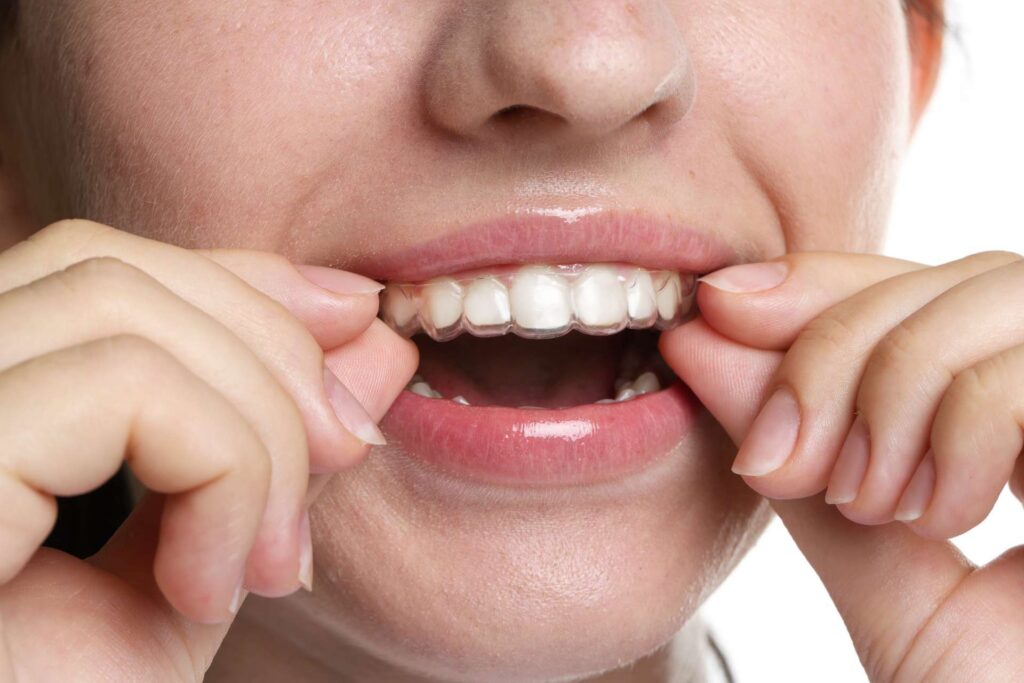
These retainers are made from a proprietary clear thermoplastic material, durable enough for daily wear and completely transparent, with no visible wire across your teeth. For patients who spend their days outdoors or in front of a camera, discretion matters, and the low profile means it doesn’t interfere with normal speech the way a bulkier appliance can.
Every Runnels Retainers patient also leaves with four sets instead of a single one, which matters more here than it might elsewhere. Clear thermoplastic retainers are sensitive to heat, and one left on a car dashboard or a poolside table on the Gulf Coast in July can warp within minutes. On the Emerald Coast, a spare set is practical insurance. It turns a ruined retainer from an emergency appointment into a five-minute swap.
Side by Side: What Changes For You Day to Day
Traditional retainers were designed for teeth expected to hold still. Runnels Retainers were designed for teeth that keep moving, because that is what teeth actually do.
How It Looks
A Hawley’s wire catches the light in photos, with a visible loop that sits over your front teeth. A Runnels Retainer sits low against the back of your teeth, so most people never notice it is there at all.
How You Get One
A traditional retainer arrives from a physical impression, the kind that involves a mouthful of putty and a few uncomfortable minutes. Yours arrives from a digital scan instead, usually in a shorter appointment with no goopy trays involved.
What Happens If It Breaks
If your traditional retainer cracks on a Saturday, you are stuck waiting for a new one to be molded from scratch. A spare Runnels Retainer set is already sitting in your drawer, ready to wear the same day.
Which One Is Right for You?
Not every patient is a candidate for a removable retainer. If your case involved a significant bite correction or a higher relapse risk, Dr. Runnels may still recommend a fixed, bonded retainer behind your front teeth for continuous support, regardless of brand. He may also suggest follow-up visits over time to track how your bite settles. That decision comes down to your exact bite, your treatment history and your daily habits, all weighed together during an exam.
The best retainer is the one you will wear as prescribed, night after night, for years to come. That is why Dr. Runnels weighs these factors with you directly.
Choose a Retainer Built for How Your Teeth Actually Move
If you are finishing treatment soon or your current retainer no longer fits the way it should, the retainer you choose next matters more than it might seem. A device built to hold still cannot keep pace with teeth that are still settling into place.
For patients in Destin, Santa Rosa Beach, Rosemary Beach and nearby communities, Runnels Orthodontics offers Runnels Retainers as part of a retention plan built around how your smile behaves after treatment. Schedule a consultation or call 850-257-7222 to find the option that fits your smile and your life.